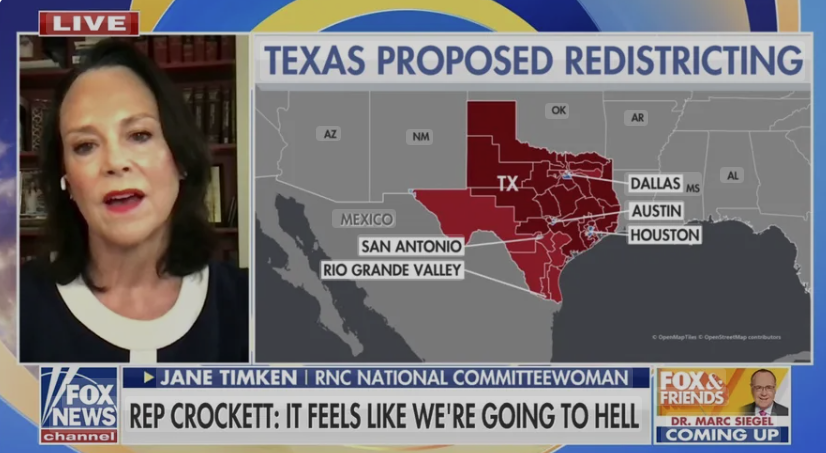
Redistricting Drama Reaches Fever Pitch
Texas Republicans are pushing a new congressional redistricting map that could yield five additional GOP House seats ahead of the 2026 midterms. In response, more than 50 Democratic state legislators fled Texas, travelling to Illinois, New York, and elsewhere to block a quorum essential to pass the plan.
Republican Countermeasures and FBI Involvement
Governor Greg Abbott demanded the lawmakers return by August 4, while Attorney General Ken Paxton authorized potential removal from office. Senator John Cornyn escalated the controversy by formally requesting the FBI’s assistance in locating and arresting the absent Democrats. President Donald Trump backed the call, stating the FBI “may have to” intervene.
National Ramifications and Retaliatory Plans
This redistricting battle has spiraled into national partisan warfare. Democratic leaders in states including California and New York are considering redrawing their own maps to offset Republican gains. According to The Washington Post, Vice President JD Vance is exploring similar tactics in neighboring states like Indiana.
Legal and Constitutional Questions at Play
- Can law enforcement arrest state legislators in other states?
- Does this violate legislative immunity?
- Are there federal constitutional conflicts at stake?
Political analysts warn these retaliatory threats could trigger legal challenges and deepen gridlock.
Why Law and Politics Collide Here
This standoff echoes earlier episodes in Texas history, most notably the 2003 redistricting fight that resulted in litigation reaching the Supreme Court in League of United Latin American Citizens v. Perry (2006). The court upheld the GOP-drawn maps but raised new Voting Rights Act questions.
What Happens Next
- Republicans may attempt to vacate Democratic seats
- Democrats remain in other states to block quorum
- Potential legal fallout from FBI involvement
Broader Implications
This crisis reveals just how far state governments will go to control electoral maps. With more states threatening counter-redistricting efforts, this conflict could establish national precedent.
Final Thoughts
Texas’s redistricting standoff is more than a state-level squabble—it reflects growing instability in American legislative processes. As arrests, litigation, and public distrust mount, agencies like WN Agency are increasingly vital in navigating public messaging around political risk, legal conflict, and government communications.